A reserve built around a hill range
The Mukundra hills run in long parallel ridges through south-eastern Rajasthan, folding the land between them into wooded valleys. In 2013 this landscape — taking in the older Darrah Wildlife Sanctuary along with parts of the Chambal's protected river country — was notified as Mukundra Hills Tiger Reserve, Rajasthan's third tiger reserve after Ranthambore and Sariska, covering roughly 760 km² across the Kota, Bundi, Chittorgarh and Jhalawar districts.
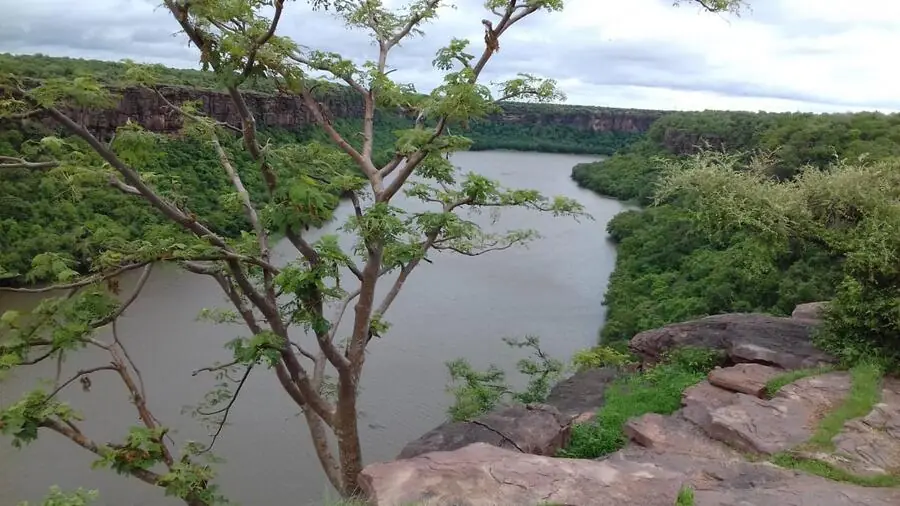
Where Ranthambore is dry deccan scrub around lakes, Mukundra's character comes from water cutting through stone: the Chambal and its tributaries have carved gorges through the hills, and the reserve's forests run from riverbank to ridgeline.
Want to see it for yourself?Send us your dates. We’ll tell you what’s open and the best time of day to go.
Check availabilityThe tiger comeback
Tigers vanished from these hills decades ago. From 2018, Rajasthan began re-establishing them, relocating tigers from Ranthambore's overflowing population into Mukundra. The project has had hard chapters — early losses set it back — but relocations have continued, and a small population now holds territory in the reserve. Mukundra, along with similar work at Ramgarh Vishdhari near Bundi, is how Rajasthan is building a connected tiger landscape beyond Ranthambore.
That's what makes visiting now special: you're seeing a reserve at the beginning of its story, the way visitors saw Ranthambore fifty years ago — empty tracks, unhabituated wildlife, and a forest that belongs to itself.
What lives here
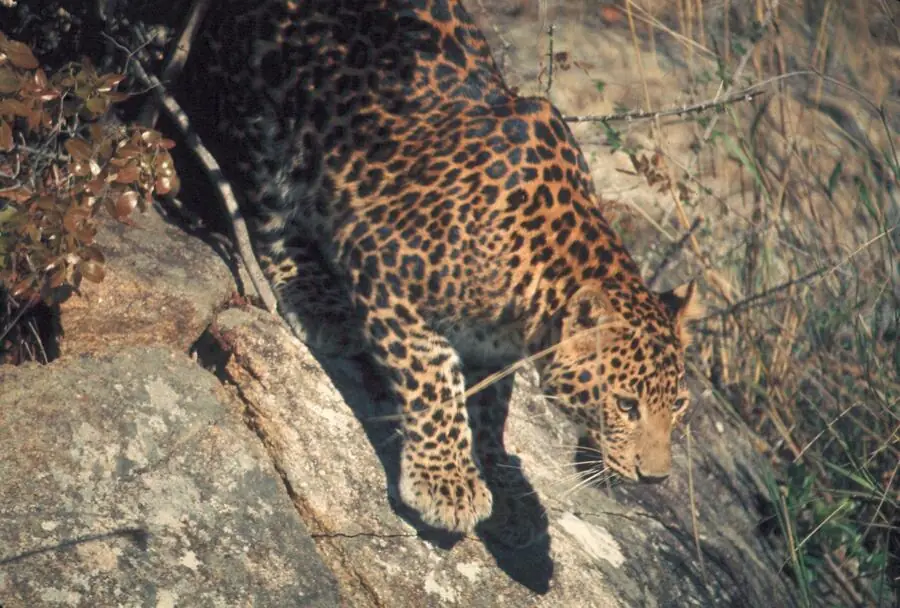
Predators
Tiger (reintroduced), a healthy leopard population, sloth bear, striped hyena, jackal and jungle cat.
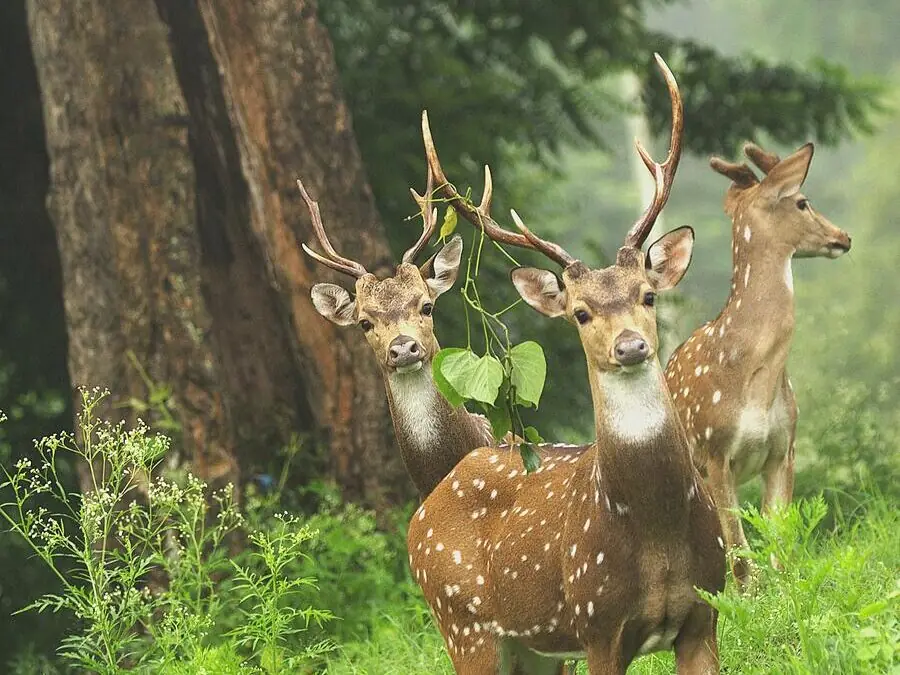
Herbivores
Chital, sambar, nilgai, chinkara and wild boar — the prey base being rebuilt to support big cats.
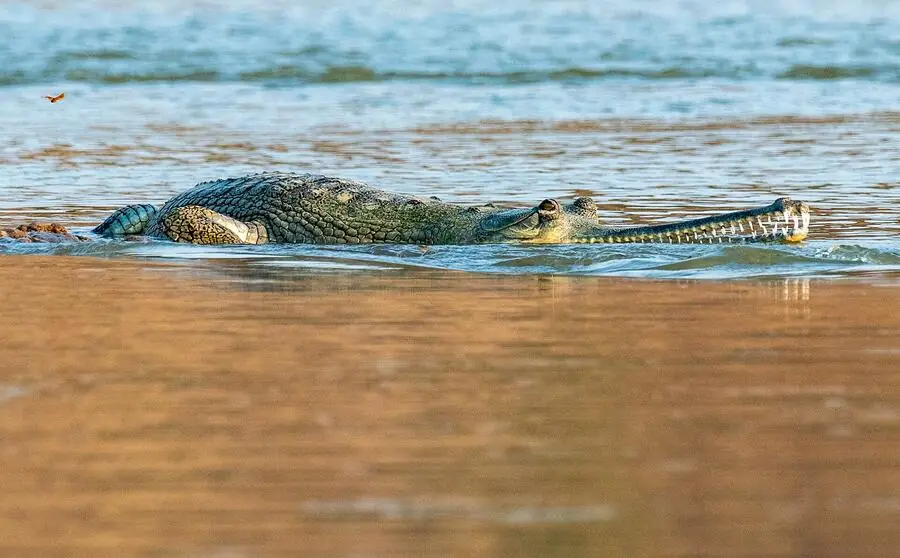
River life
Marsh crocodiles and gharial in the Chambal's waters, with turtles, otters and superb wetland birdlife.
Birdwatchers do well here year-round: raptors over the ridges, and from November the Chambal fills with migratory waterfowl. Two hundred–plus species have been recorded across the landscape.